What exactly is Noni?
Morinda citrifolia — a fruit with over 3,000 years of history in Polynesia, an unmistakable character and a long journey all the way to Vorarlberg. Here’s everything you should know about it.
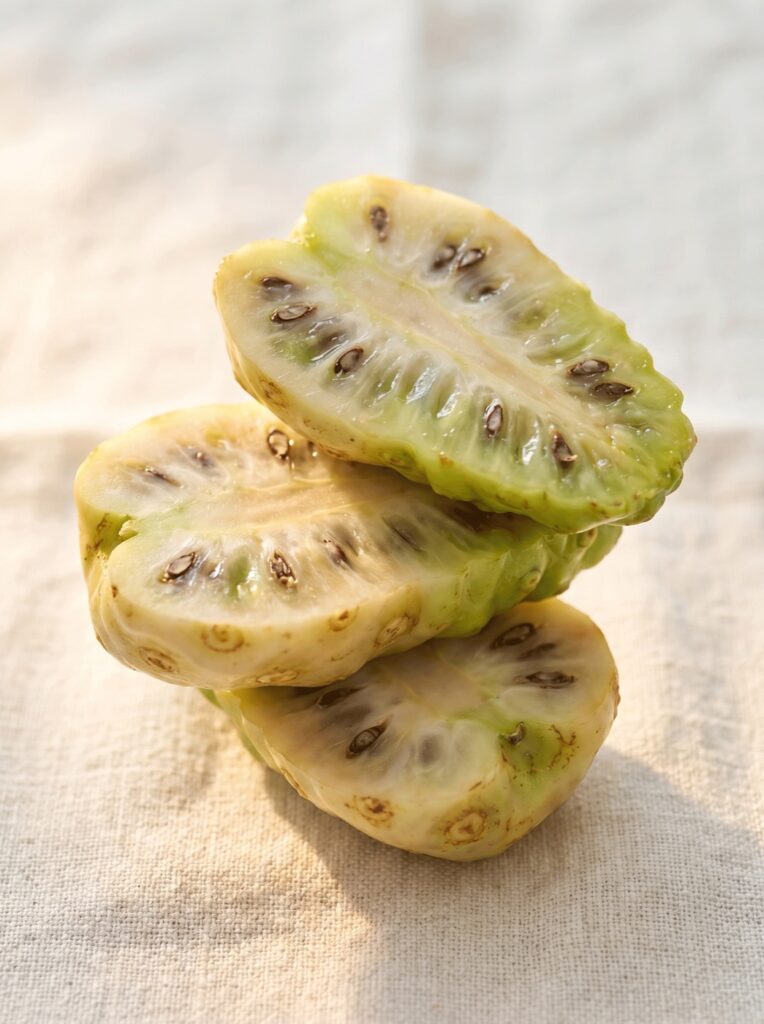
A fruit that carries history.
Noni belongs to the madder family (Rubiaceae) and is among the most important plants of Polynesian tradition. Its home range extends from India through Southeast Asia to the Pacific islands — today it feels most at home around Tahiti.
Depending on the region it’s called Noni, Nonu or Indian Mulberry. When ripe, the fruit is pale and almost translucent — and develops its famous, intense aroma.
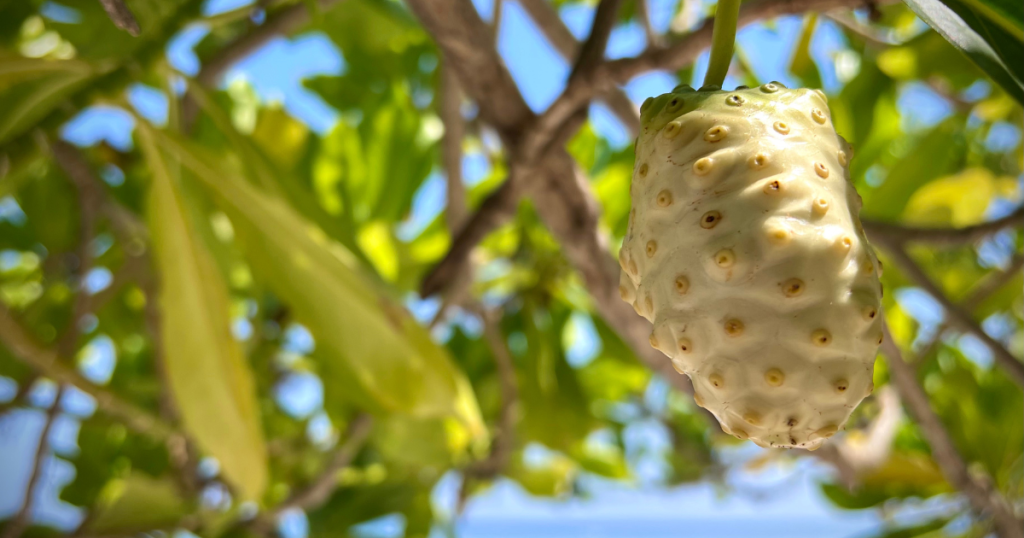
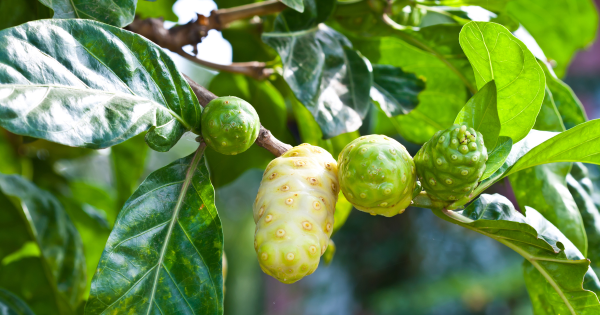
Blossom, unripe and ripe fruit — all at once.
The noni tree bears fruit all year round. On a single branch, blossom, green and ripe fruit often hang side by side — it knows no season. Up to eight metres tall, with large glossy leaves, it grows on coasts, in lava fields and at the forest edges of Polynesia.
From Southeast Asia across the Pacific.
The story of noni is a story of seafaring. Thousands of years ago, Polynesian navigators carried the plant from island to island on their outrigger canoes — as one of the „canoe plants” that were an integral part of every settlement. This is how Morinda citrifolia reached from Southeast Asia to Hawaii, Tahiti and the most remote corners of Eastern Polynesia.
Not only the fruit mattered.
In Polynesian tradition, the noni plant was used in its entirety — every part had its purpose. This still makes it one of the most versatile plants in the island world today.
The fruit
The heart — fermented into purée and juice. Ripe, it is pale, soft and intense in aroma.
The leaves
Large, glossy, leathery — traditionally used for wrapping and for infusions.
The seeds
Ensure propagation — the fruit floats and germinates even after a long journey at sea.
Bark & roots
Supplied dyes. Important: this is where the anthraquinones sit — in the fruit itself they are not detectable. We process only the ripe fruit.
For centuries part of Polynesia.
One thing the juice never was: a treat. Traditionally it was drunk above all when it really mattered — its taste and smell are too intense to drink for pleasure. That’s exactly why we round off our NONI Original with organic direct juices, rather than hiding its character.
Harvested when the fruit is ripe.
Our noni grows wild in the untouched nature of Polynesia — no artificial fertilisers, no pesticides, no plantation pace. Harvesting is done by hand: only fully ripe, carefully selected fruits. This is more demanding than mechanised cultivation, but it ensures quality and a fair income for the local families on site.
This care is the reason why high-quality noni products come at their price — and why „100 % juice” is not always the same as „100 % juice”.
Tested and approved in the EU.
Noni juice is approved in the European Union as a novel food (Novel Food) — based on a scientific safety assessment by the EU Commission (2002/2003), the purée followed in 2010. The anthraquinones occasionally mentioned in the debate are not present in the fruit — only in the roots and bark, which play no role in our products.
Fermented, matured, rounded off.
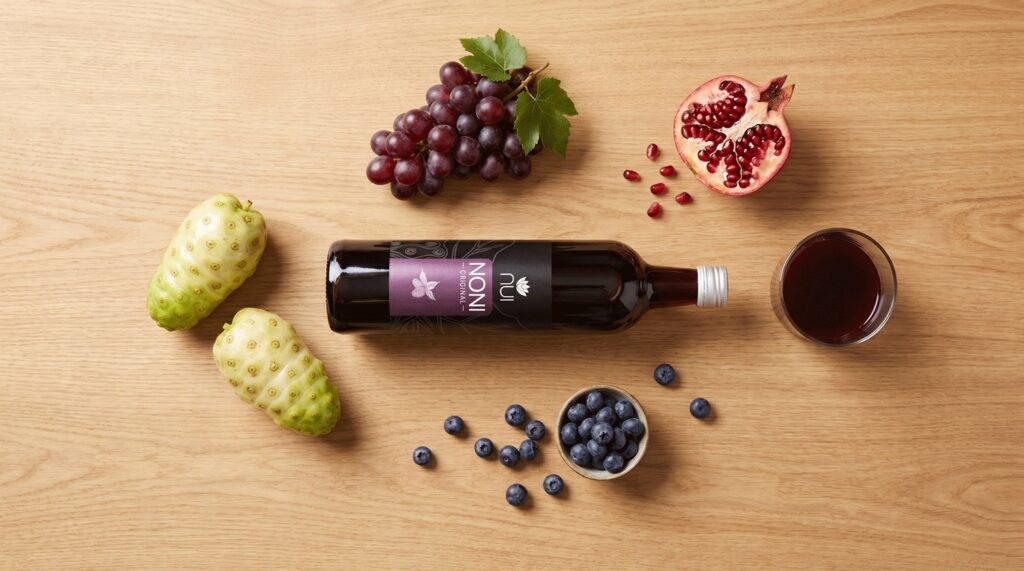
After hand-harvesting, the ripe fruit is processed into purée and fermented traditionally — a process that takes above all time, not accelerators. In Vorarlberg, the purée is rounded off with organic direct juices from red grape, pomegranate and blueberry, lab-tested and bottled.
What’s true — and what isn’t.
Few fruits are surrounded by so many stories. We stick to what is provable.
The family where it all began.
In the beginning there was a fruit. NUI began with the NUI NONI Original — fermented organic noni purée from Tahiti, rounded off with three organic direct juices. From this single juice, an entire family grew over the years.
Because the same fruit fits many everyday routines: as a juice for the morning and evening ritual, as a shot for on the go, as a purée for the kitchen, as a vinegar to refine your dishes. One fruit — many formats, many rituals.
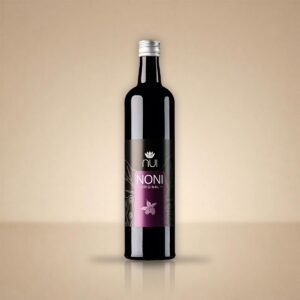
NONI Original
Fermentiertes Noni-Püree aus Tahiti mit 41 % Fruchtanteil, kombiniert mit rotem Trauben-, Granatapfel- …
Auswählenab CHF 44.80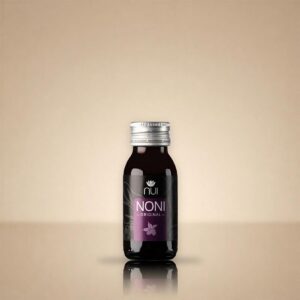
NONI Original Kraftshots
Dein täglicher Kraftspender — für unterwegs.
Auswählenab CHF 4.50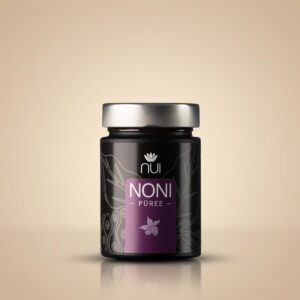
NONI Püree
100 % reines Noni-Fruchtpüree aus Tahiti.
Auswählenab CHF 36.80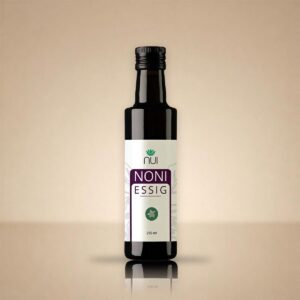
NONI Essig
Dein Geheimnis für feinwürzige Salatkreationen.
In den WarenkorbCHF 15.80And the family keeps growing. The noni fruit shaped to fit your day — as a powder for active days, as a capsule for a steady rhythm, as a spray and as care for the outside.
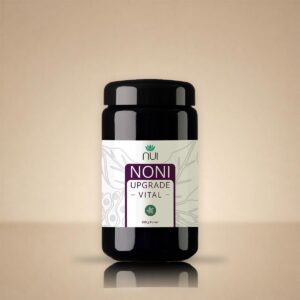
NONI Upgrade Vital
Energie, Fokus und Balance.
Auswählenab CHF 75.00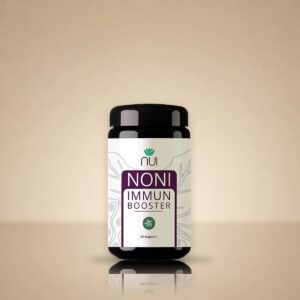
NONI Immunbooster
Ganzjähriger Immunbegleiter.
Auswählenab CHF 56.30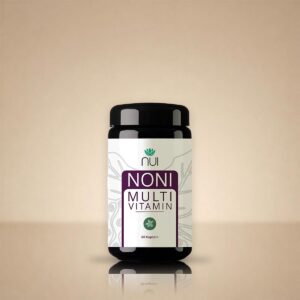
NONI Multivitamin
Vollständige Vitaminversorgung.
Auswählenab CHF 43.80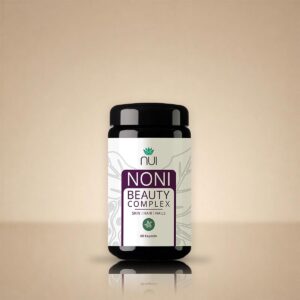
NONI Beauty Complex
Skin · Hair · Nails.
Auswählenab CHF 43.80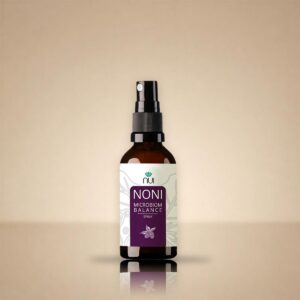
NONI Microbiom Balance Spray
Fermentiertes Noni-Konzentrat mit Mikrokulturen – als Spray für jeden Tag.
Auswählenab CHF 21.80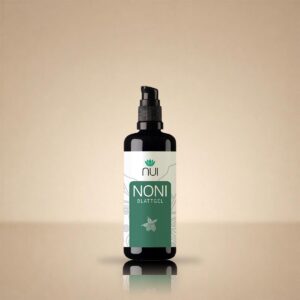
NONI Blattgel
Pflegegel mit Noni-Blattextrakt und Aloe Vera.
Auswählenab CHF 23.80Answered in brief.
What does noni taste like?
Intense, tart and unmistakable — on its own, the fruit is not a treat. In the NONI Original, grape, pomegranate and blueberry give the noni note a berry frame. You’ll find an honest take in the magazine.
Where do the fruits come from?
From French Polynesia — wild-grown, hand-harvested, certified origin.
What does „Nui” mean?
Nui is Tahitian and means big, strong and powerful — a nod to the fruit’s origin.
What’s in the NONI Original?
41 % fermented organic noni purée, plus organic direct juices from red grape (29 %), pomegranate (20 %) and blueberry (10 %). Nothing else.
How is noni taken?
The recommended intake is 2 × 60 ml daily, chilled, as a fixed ritual. All details on the product page — only with EU-authorized statements.